
Denise O’Donnell Day Pro Bono Awards
The late Denise O’Donnell Day, and namesake of this award, was a titan of pro bono service to underrepresented Idahoans. Her legacy of service, dedication to her community, and overall standard of professionalism in practice are pillars for any member of the Idaho State Bar to aspire to. Each year, we honor Denise’s legacy by awarding attorneys in each judicial district with the Denise O’Donnell Day Pro Bono Award, recognizing their admirable decisions to prioritize pro bono service in their practices. In addition to providing biographical information, this year’s recipients were asked the following two questions:
Why is pro bono work important to you? And what encouragement would you give fellow attorneys to participate in pro bono work?
Kirsten Thompson – First District
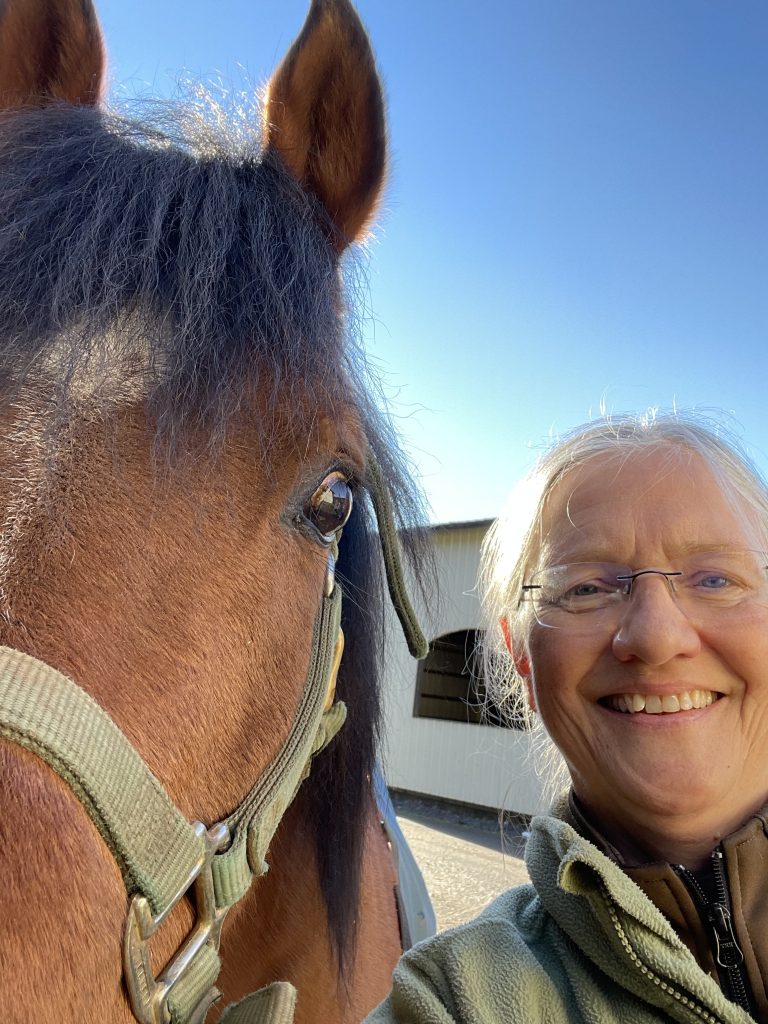
Why Pro Bono? There is a very large unmet need for legal services in civil matters. Early in my career I worked for Oregon Legal Services and saw many worthy cases that just couldn’t be accepted for representation due to lack of resources. Later as I worked as a trial court judge then mediator, I saw the actual dollars and cents costs of representation—so many people cannot afford legal advice, let alone representation. Pro bono work is one way to meet that need and provide some assistance to those who would otherwise relay on limited information from often unreliable sources.
Encouragement: Just do it. Volunteer to assist in a program in your area or accept a pro bono case that would otherwise languish. You will be able to provide real help to someone who needs it, and you will receive back in terms of experience and satisfaction from assisting a person or organization that needs help. I have been delighted to become an emeritus member of the Idaho State Bar, while also maintaining a pro bono membership with the Oregon State Bar. Volunteering is fun, challenging, and satisfying.
Kirsten was born and raised in the Sandpoint, Idaho, area. She attended Whitworth College (now University) in Spokane, graduating on the day that Mount Saint Helens blew! She attended Lewis and Clark Law School in Portland after working for a year or so in various jobs. After law school, Kirsten clerked in a law firm, worked for a few years for Oregon Legal Services (Legal Aid), and was in private practice for around 10 years until becoming a Circuit Court Judge in Washington County, Oregon, in 2002. She retired from full time judicial service in 2019, served for five years as a senior judge and operated a private mediation service. Since retirement, she has been actively involved in the development of the Licensed Paralegal program which is now part of the Oregon State Bar. Programs like this have been started in a number of states in the past few years to help meet the justice gap. She has returned to the Sandpoint area in retirement to be close to family, and the North Idaho Country that she has always loved. Idaho, Washington, and Oregon have always been her home states; the Pacific Northwest is very special. She and her husband share a blended family of four adult kids and four grandkids. They enjoy riding their horses, and being “herded” by their dog.
Joanna McFarland – Second District
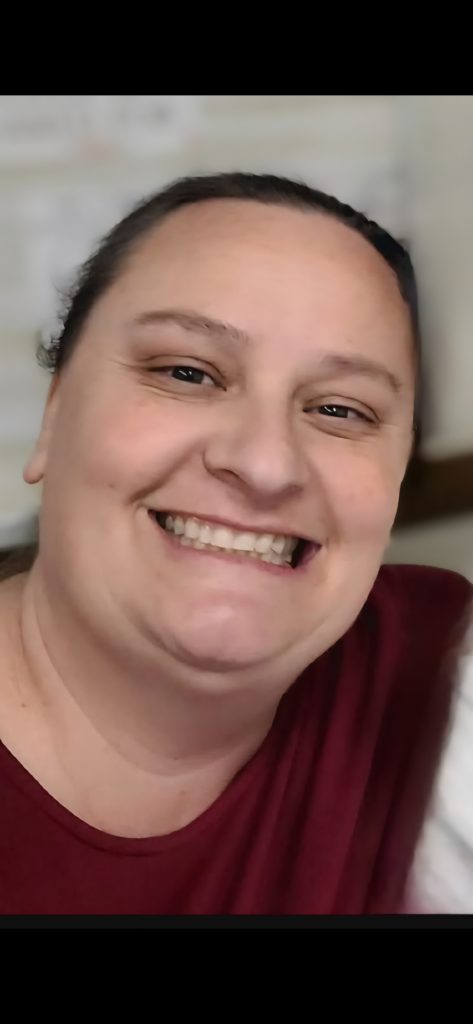
Why Pro Bono? I have a strong belief that we are all empowered to love and support each other in our best and worst moments. My talents include listening with the intent to solve the problem. In my representation, there are many times where the best way to assist a client with navigating the struggles that brought them into court requires advocating for options outside the traditional bounds of the system. On those occasions where I can problem solve underlining issues that could place my clients on a path to change and long-term success, I am thrilled to see the purpose of intervention bring people happiness. I would hope that my small contribution can ripple into a catalyst of good outcomes in another person’s life as I believe by our small efforts, great things can come out of the work.
Encouragement: With great power comes great responsibility. Our gifts to see a path through complex and contentious problems are necessary to help vulnerable and limited people mire through hard situations. The benefit of pro bono work is not in the form of an extra dollar, but instead the wealth of making a difference in someone’s life. The experiences in pro bono have challenges and the rewards are priceless.
Joanna loved her childhood growing up on a cattle ranch in Jerome, Idaho alongside her five siblings. Her piano-teacher mother instilled a love of music that lead her to attend the University of Idaho with a music degree. She married her college sweetheart and has five children and three grandchildren. Joanna graduated from the University of Idaho Law School in 2004 and entered the legal profession working for the Nez Perce County Public Defender’s office from 2005-2010. After this, she maintained her private firm, McFarland Law Offices from 2010-2024, primarily representing indigent clients as a contracted public defender in the Second Judicial District. In 2024, she transitioned to the position as the Idaho State Region 2 Public Defender. Over her years in practice, she has been proud to serve the legal community by working with judges, prosecutors, court personnel, fellow attorneys, students, law enforcement, probation officers, and community resources. Currently she serves on the Treatment Court Rules Committee and serves on the board of the Youth Resource Center, and First Step for Life Resource Center. Joanna has been an attorney coach with the Lewiston High School Mock Trial team since 2020. The University of Idaho Law School has graciously allowed her to teach as an adjunct professor for two years. And she serves as a leader in her local church’s youth group.
Jacob T. Welsh – Third District
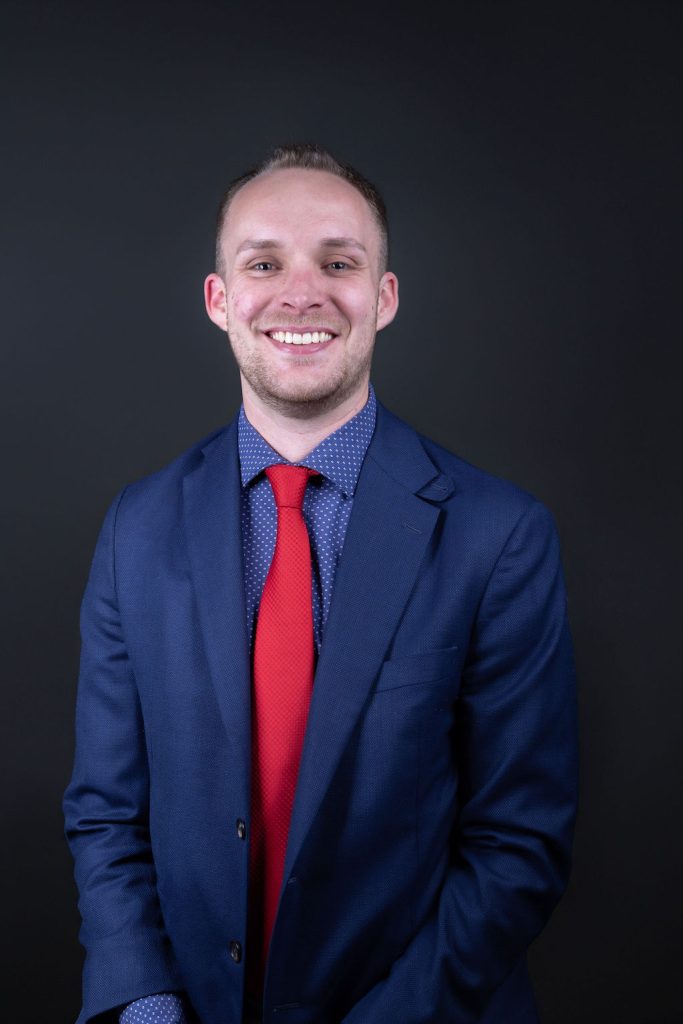
Why Pro Bono? Pro bono work is important to me because I believe that integrity is the absolute foundation of the practice of law. True legal integrity means ensuring that the justice system works for everyone, not just those with the means to afford it. I am deeply driven to advocate on behalf of people who cannot advocate for themselves, particularly when a financial burden stands between them and their fundamental rights. Growing up in a small town, I saw firsthand how some of the hardest-working people, individuals who form the backbone of our neighborhoods, still struggle to make ends meet and are left entirely vulnerable when facing legal complexities.
I have always wanted to help people and establish myself as a pillar of the community. Pro bono work is the most direct way to achieve this, as it allows me to use my specialized education to stabilize families, protect livelihoods, and prevent minor legal setbacks from spiraling into life-altering financial crises. As an attorney, I recognize that our profession holds a unique monopoly on the justice system, which gives us a profound social responsibility. I am fortunate to be in a position to bridge this gap.
My dedication to this path was permanently shaped by my late law partner, Timothy L. Fleming, who consistently reminded me that we have an obligation “to do the right thing because it’s the right thing to do.” Tim’s words serve as a daily reminder that every individual comes from a different background and faces unique challenges. By prioritizing pro bono work, I honor his memory, uphold the ethical soul of our profession, and actively build a more resilient, equitable community.
Encouragement: I would remind my fellow attorneys that pro bono work is not merely an act of charity; it is an economic and professional catalyst that elevates our entire practice. While it serves the highest ethical standards of legal integrity, it also provides profound, practical benefits to the attorneys who participate.
For newer attorneys, pro bono service acts as an unparalleled accelerator for professional development. It offers hands-on, high-stakes experiences—such as leading client counseling sessions, drafting critical motions, and managing courtroom advocacy—far earlier than standard billable tracks typically allow. For established practitioners, it serves as a powerful tool for building a reputation and an influential professional network. Collaborative pro bono projects connect us with judges, corporate leaders, and community stakeholders, creating deep bonds rooted in shared values rather than transactional business.
More than anything, pro bono work restores our sense of purpose and counteracts professional burnout. It strips away the sterile, administrative layers of daily practice and reconnects us with the human element of law—reminding us why we chose this path in the first place. By stepping up to advocate for those facing severe financial burdens, we don’t just change individual lives; we collectively establish the legal community as a trusted, foundational pillar of society.
After graduating from Boise State University, Jacob attended Concordia University School of Law, where he obtained his Juris Doctorate with the invaluable support of the Kassidy Amano Freedman-Welsh Scholarship Fund. He was admitted to the Idaho State Bar in 2020.
From the very beginning, Jacob’s legal career was profoundly shaped by the mentorship of his late law partner, Timothy L. Fleming. Under his guidance, Jacob developed a comprehensive, ground-up understanding of the legal system, progressing through roles as a legal assistant, paralegal, and limited licensed intern before ultimately becoming an attorney. This rigorous practical training, paired with Tim’s deeply ingrained philosophies on ethical practice, solidified his belief that integrity must be the cornerstone of every legal matter.
Today, Jacob’s practice is defined by a commitment to rigorous advocacy and a devotion to public service. He continuously strives to balance a sophisticated legal practice with robust pro bono initiatives, ensuring that financial barriers do not block access to justice. Through this work, he is dedicated to honoring his mentor’s legacy, helping those in need, and establishing himself as a permanent, supportive pillar of the Idaho legal and local community.
Michelle R.W. Finch – Fourth District
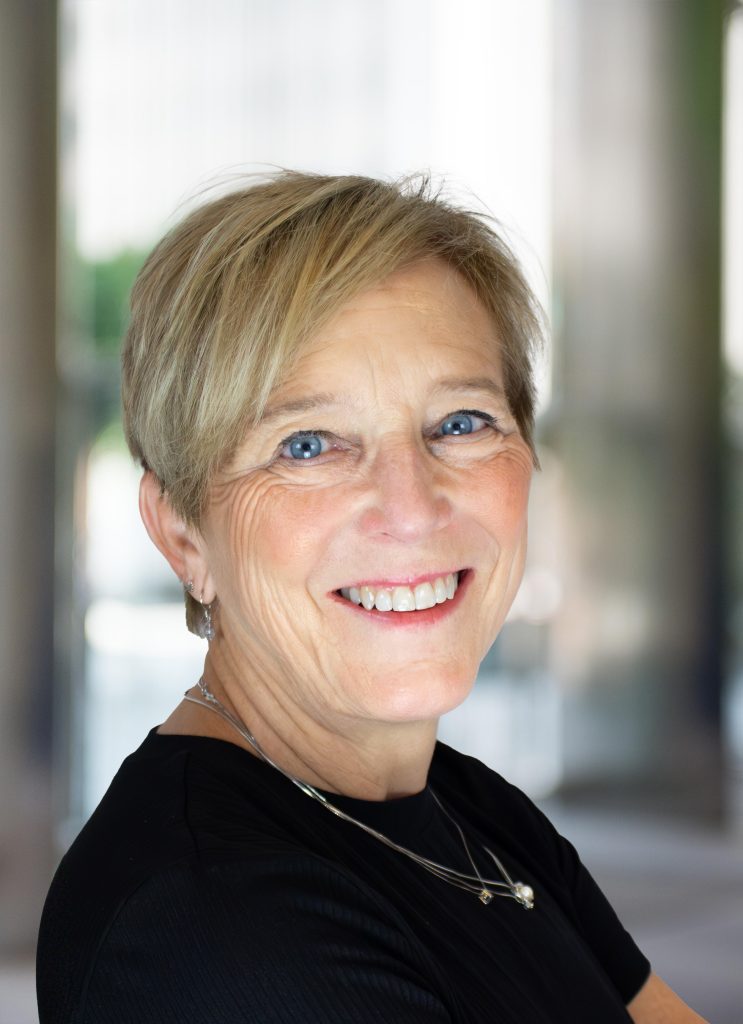
Why Pro Bono? Pro bono work, especially in the area of acting as a guardian ad litem attorney for a minor child or an incapacitated adult, is important to me, as it provides me with the opportunity to use the knowledge that I have gained through my practice in guardianship and conservatorship matters. In many instances, family members or grandparents are stepping up to become guardians of a minor child and are doing so with limited financial resources. I have had a diverse practice for over 40 years but have found a passion in guardianship matters. I have been able to use my skills to help families bridge gaps in resources and communications for the best interest of a child or incapacitated adult. The ability to make a tangible difference through pro bono works is a reward that cannot be measured in dollars.
Encouragement: The reward of taking on a pro bono case through the Idaho Volunteer Lawyers Program (IVLP), or volunteering your time in other ways through IVLP, is a gift that we, as attorneys, can give back to our community. It may be one phone call, one hour, or it may be a more significant time commitment, but making a difference will provide joy in your practice.
Michelle R. Finch is a 1985 graduate of Gonzaga University School of Law. She was admitted to practice in Idaho in 1985 and is also admitted to practice in Montana. Michelle is a principal and senior attorney at Gravis Law, PLLC practicing in Idaho and Montana, primarily in the areas of guardianship, probate, family law, and estate planning. Michelle is a member and past chairperson of the Idaho State Bar Trust, Taxation and Probate Section. She serves on the Idaho Supreme Court’s Guardianship and Conservatorship Committee. Michelle was a chairperson of the Ada County Board of Community Guardians and a former member of the Canyon County Organization on Aging.
A. Denise Penton – Fourth District

Why Pro Bono? I have volunteered through most of my professional career. I found that there is such a high need for people who are in distress. So many times, pro se individuals misunderstand the law, what can and can’t be done and what real solutions look like, These are people who are easily taken advantage of because they lack knowledge about the law. They are often the most vulnerable and have the highest need. It isn’t always easy to volunteer, but the small amount of time I give to others can put them in such a better place and make a real difference to the problems they face.
Encouragement: Pro bono work is a great place to try an area of law that you aren’t quite sure of, but know that there is a need. If you don’t know the answer, you probably know how to work through a solution or find someone who does know. Our professional bar is so giving and free with their advice when you reach out to ask for help, especially when they hear it is for someone who can’t help themselves. It can be so rewarding to hear someone who is lost appreciate the help and see the look of relief replace fear and uncertainty.
Denise has been practicing law for over 30 years. She graduated from the University of Idaho College of Law. Denise was born and raised in Idaho. In her career, she has been a prosecuting attorney and public defender before moving into private practice. She is a general practitioner with an emphasis in Family Law and Immigration law. Denise is a family law mediator and a parenting coordinator as well.
Justin Eckman – Seventh District
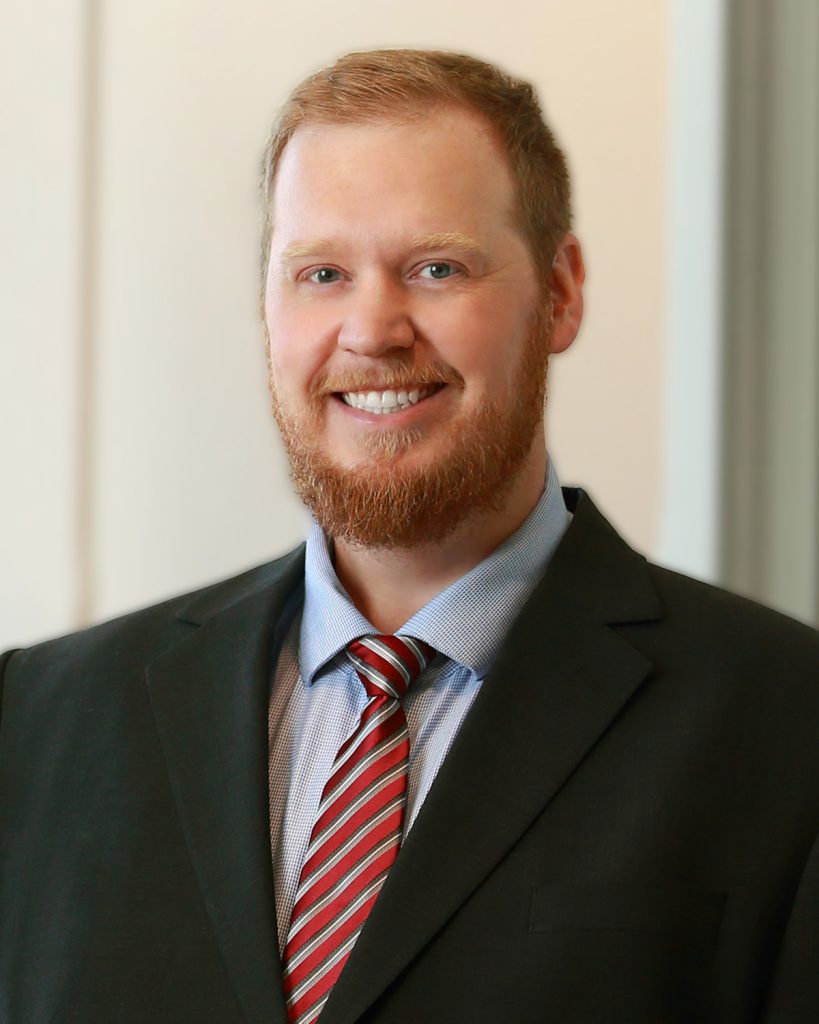
Why Pro Bono? Pro bono work is important to me because when I was growing up, my family, friends, and neighbors didn’t have the resources to afford attorneys. Not being able to afford an attorney did not make their legal problems disappear. It just meant they had to navigate a confusing legal system on their own without any meaningful guidance. I am passionate about pro bono both because there is a financial barrier to legal services for many of the most vulnerable Idahoans and because I often think that, but for a few lucky rolls of the dice, I could be in a similar situation where I could not afford legal representation. I think it really boils down to some variation of the golden rule—if I was in the shoes of most of the Idahoans who seek pro bono services I would want an attorney to be willing to volunteer their time and talents to help me. So, I am determined to fill that role for others.
Encouragement: I think there are strong practical and professional benefits to pro bono work. Practically, attorneys should be contributing to make the communities we practice in stronger and better. Pro bono work creates opportunities to interact with and impact members of our communities that we would never otherwise reach. And the more we can help all members of our communities the stronger our communities become.
Professionally, we do not practice in a bubble. Community members who need pro bono assistance have friends, family members, and neighbors. And the people we serve through pro bono work talk about how they were treated, their impressions of attorneys in general, and the service pro bono attorneys provide. Individuals I have helped through pro bono work have given me referrals, references, and opened doors I never would have known existed but for pro bono work.
There is also a personal connection to pro bono work that is sometimes missing in my other legal work. Pro bono clients are always genuinely grateful, even when you give them bad news or information that is difficult to hear. That personal connection and gratitude is what keeps me anchored to pro bono work.
A native Idahoan and graduate of South Fremont High School, Justin Eckman is an attorney at Parsons Behle & Latimer whose practice focuses on estate planning, special needs planning, trust and estate litigation, and medical malpractice defense. Justin received his undergraduate degree from Brigham Young University-Idaho before attending law school at the University of Utah and joining Parsons in 2024. Prior to law school, Justin worked in the health insurance industry with a focus on mental health services reimbursement. Outside of work, Justin tries to spend as much time as he can golfing with his wife Amber and losing at Mario-Kart to his son Remington.